

Blogs
Nepal Trekking Permits in 2026/27: TIMS, Restricted Areas & Guide Rules
Nepal Trekking Permits in 2026/27: TIMS, Restricted Areas & Guide Rules
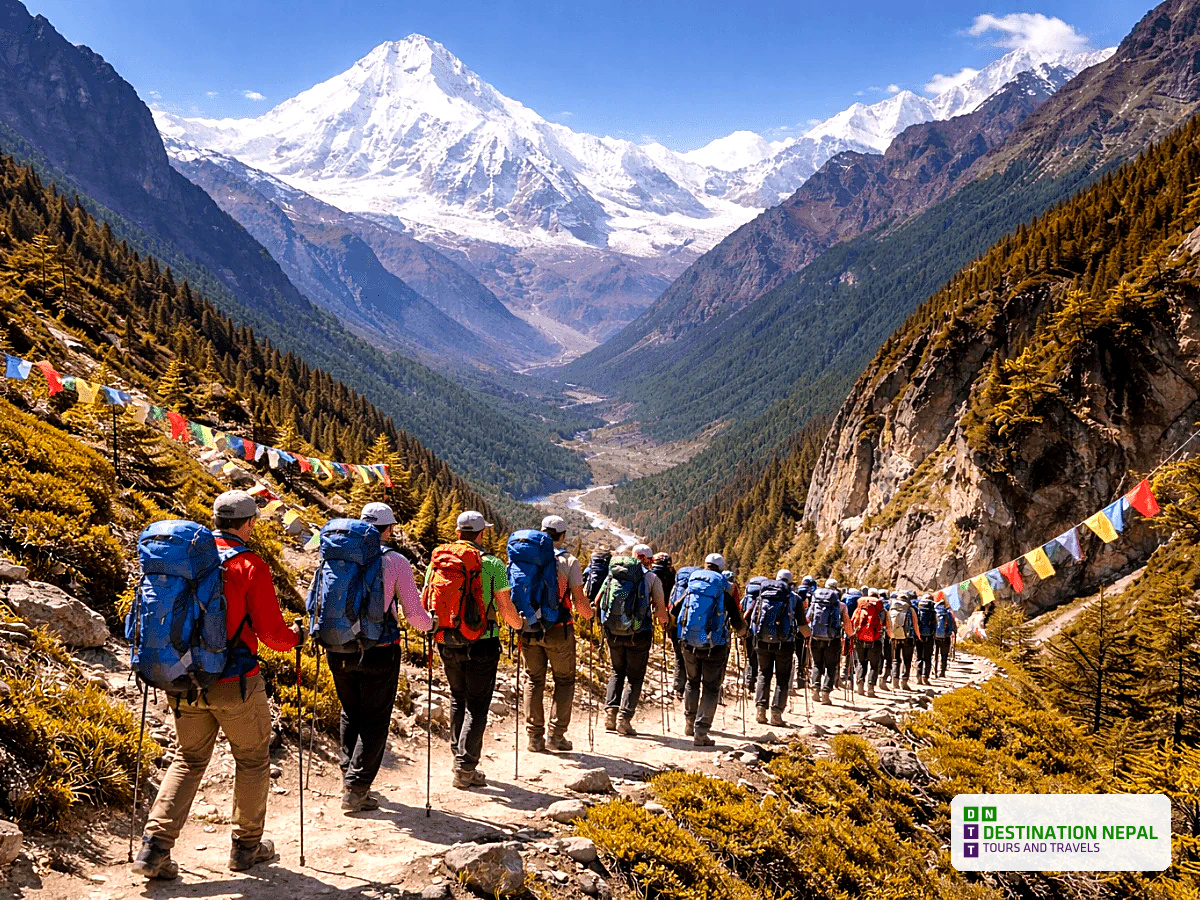
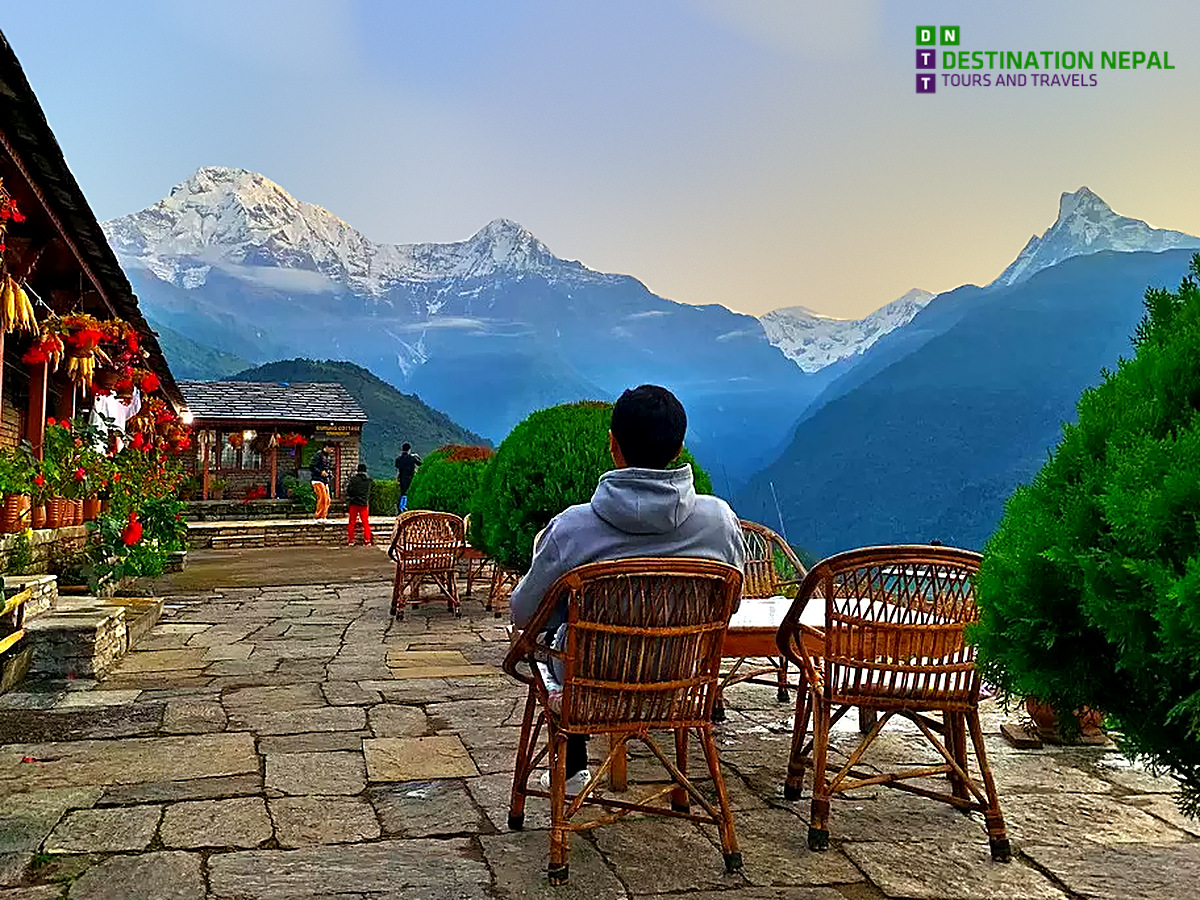
Imagine standing beneath the towering Himalayas, walking through traditional mountain villages and following trails that lead towards some of the world's most spectacular landscapes.
For many travellers, trekking in Nepal is a lifelong dream. Whether you are planning to reach Everest Base Camp, explore the Annapurna region, cross the challenging Larkya La Pass or discover the peaceful Langtang Valley, understanding the trekking rules is an important part of preparing for your journey.
Before starting your trek, you need to know which permits are required, whether you need a licensed trekking guide and how the arrangements should be made.
Nepal has different permit systems for different trekking regions. The requirements are not identical for every route.
This guide explains the main Nepal trekking permits, the TIMS card, restricted-area regulations and the important changes introduced in 2026.
Information checked on 18 November 2026. Permit fees and administrative requirements can change, so always confirm the latest rules for your exact itinerary before departure.
1. Why Do You Need Trekking Permits in Nepal?
Trekking permits help the authorities manage tourism in protected and sensitive mountain regions. They also support conservation, visitor registration and trekking safety.
Depending on your destination, you may need one or more of the following:
- Trekkers' Information Management System (TIMS) card
- National park entry permit
- Conservation area entry permit
- Special restricted-area trekking permit
These documents serve different purposes. Having one permit does not automatically mean that you have all the permissions required for your trek.
For example, a trek in the Manaslu region may involve a restricted-area permit and additional conservation-area documentation.
It is important to check the complete permit requirements before travelling to the trailhead.
2. What Is the TIMS Card in Nepal?
TIMS stands for Trekkers' Information Management System.
It is a system used to register trekking information, including the trekker, guide and planned route. It helps maintain trekking records and supports visitor safety and management.
According to the Nepal Tourism Board's published guidance, a licensed trekking guide and an agency-issued TIMS card are required on specified trekking routes.
These include several well-known trekking destinations:
Everest Region
- Everest Base Camp Trek
- Gokyo Lakes Trek
- Everest Three Passes Trek
- Cho La Pass Trek
Annapurna Region
- Annapurna Circuit Trek
- Poon Hill and Annapurna Base Camp routes
- Other specified routes in the region
Langtang Region
- Langtang Valley Trek
- Langtang–Gosaikunda Trek
- Tamang Heritage Trek
Manaslu Region
- Manaslu Circuit Trek
- Tsum Valley Trek
- Manaslu–Tsum Valley routes
The official list also includes trekking routes in Kanchenjunga, Makalu, Rolwaling, Dolpo and other regions.
However, this does not mean every walking trail in Nepal has identical TIMS requirements. Trekkers should check the official route list before making arrangements.
Official information: Nepal Tourism Board – TIMS Card
3. What Is a Restricted-Area Trekking Permit?
Some parts of Nepal are designated as restricted areas because of their geographical location, environmental importance, cultural sensitivity or other government considerations.
Foreign trekkers visiting these areas need special permission from the Department of Immigration.
Popular restricted trekking destinations include:
- Upper Mustang
- Upper Dolpo
- Manaslu restricted area
- Tsum Valley
- Nar and Phu valleys
- Other designated areas in Nepal
The exact restricted boundaries are defined by particular locations and administrative areas. Not every part of a trekking region necessarily falls under the same restrictions.
For this reason, the exact itinerary matters.
A registered trekking agency must arrange the relevant restricted-area permit according to the applicable government procedures.
Official information: Nepal Tourism Board – Trekking Permit
4. Important Change in Nepal Trekking Rules in March 2026
One important change took place in March 2026.
Previously, international trekkers were generally required to meet a minimum group requirement when applying for restricted-area trekking permits. This made certain restricted-area treks difficult to arrange for people travelling alone.
The Department of Immigration introduced a revised arrangement in March 2026 that allows individual foreign trekkers to apply for restricted-area permits.
However, there is an important condition.
Individual permit applications do not mean that independent, guide-free trekking is permitted in restricted areas.
Under the revised arrangement:
- Individual foreign trekkers can apply for restricted-area permits.
- The trek must still be arranged through a registered trekking agency.
- A licensed trekking guide remains mandatory.
- The agency is responsible for the relevant logistical and emergency rescue arrangements.
- The reported guide-to-trekker ratio allows one guide to lead up to seven trekkers.
This is useful news for travellers who want to explore remote areas such as Manaslu or Upper Mustang without having to find another foreign traveller simply to meet the previous group requirement.
Nevertheless, the exact permit process and applicable conditions should be confirmed before booking.
For more information, see the Department of Immigration's restricted-area permit notice.
You can also read the Radio Nepal report on the revised trekking arrangements.
5. Can You Trek Alone in Nepal?
This is one of the most common questions from international travellers.
The answer depends on what you mean by travelling alone.
If you are a solo traveller who wants to arrange a restricted-area trek without joining a larger group, the March 2026 change makes individual permit applications possible.
However, you still need to:
- Use a registered trekking agency.
- Be accompanied by a licensed trekking guide.
- Obtain the required permits.
- Follow the designated trekking route.
- Make appropriate arrangements for safety and emergency support.
In other words, you may travel as one client, but that does not mean you can trek in a restricted area completely independently without a guide.
If you are planning a solo trekking holiday in Nepal, discuss your preferred route with a registered local trekking company before confirming your travel dates.
6. What Permits Are Required for Popular Trekking Routes?
Different trekking regions have different requirements. The following table provides a general starting point for planning.
| Trekking destination | Important permit and guide checks |
|---|---|
| Everest Base Camp | TIMS and licensed-guide requirements for the listed route; Sagarmatha National Park entry |
| Gokyo Lakes and Three Passes | TIMS and licensed-guide requirements; relevant protected-area entry |
| Annapurna Circuit | TIMS and licensed-guide requirements for the listed route; Annapurna Conservation Area entry |
| Annapurna Base Camp | Check the applicable TIMS, guide and conservation-area requirements |
| Manaslu Circuit | Restricted-area permit, conservation-area requirements and licensed guide |
| Tsum Valley | Restricted-area permit and applicable conservation-area and guide arrangements |
| Langtang Valley | TIMS and licensed-guide requirements for the listed route; Langtang National Park entry |
| Upper Mustang | Special restricted-area permit and applicable conservation-area entry |
Please remember that this is a planning overview, not a substitute for checking the official permit requirements for your exact route.
Some itineraries combine several regions or include extensions into restricted areas. The permit arrangements can therefore be different even when two travellers are following broadly similar trekking itineraries.
7. How Do You Arrange Trekking Permits in Nepal?
For international trekkers, the easiest approach is to arrange the required permits through a registered trekking agency before starting the journey.
The process generally involves the following steps.
Step 1: Choose Your Trekking Route
First, decide which trekking region you want to explore.
For example:
- Everest Base Camp
- Annapurna Base Camp
- Annapurna Circuit
- Manaslu Circuit
- Langtang Valley
- Upper Mustang
Your route determines which permits and guide arrangements are required.
Step 2: Share Your Travel Information
Your trekking agency will normally need your passport information, Nepal visa details, travel dates and proposed itinerary.
Additional documents may be requested depending on the permit category.
Step 3: Confirm the Permit Requirements
Ask your agency to explain which permits are required for your specific route.
You should also confirm whether TIMS, national park or conservation-area entry fees and restricted-area permit fees are included in your trekking package.
Step 4: Arrange Your Licensed Guide
For routes where a licensed guide is mandatory, the trekking agency will coordinate the guide and the necessary arrangements.
A knowledgeable local guide can also help you understand local culture, trail conditions and the practical challenges of trekking in the Himalayas.
Step 5: Check Your Documents Before Departure
Before leaving Kathmandu or Pokhara, make sure the necessary permits have been arranged and that you understand the route you are authorised to follow.
Keep your required documents available throughout the trek. Do not travel outside the permitted route.
8. How Much Do Nepal Trekking Permits Cost?
There is no single fixed price for every trekking permit in Nepal.
Permit fees depend on factors such as:
- Trekking region
- Restricted-area classification
- Duration of the trek
- Season of travel
- National park or conservation-area entry requirements
- Applicable TIMS charges
For example, the restricted-area permit structure for Manaslu is different from the permit requirements for Upper Mustang or Upper Dolpo.
Some routes require more than one type of permit.
Rather than relying on an old online price list, ask your trekking agency for an updated breakdown before confirming your booking.
You can also check the official Department of Immigration trekking route and permit fee information.
9. What Should You Ask Your Trekking Agency Before Booking?
Choosing the right trekking company is not only about comparing the total package price.
Before confirming your trip, ask:
- Which permits are required for my exact trekking route?
- Are all applicable permit and entry fees included in the package?
- Will I be accompanied by a licensed trekking guide?
- Is the company registered and authorised to arrange the required permits?
- What arrangements are available in case of illness, injury or an emergency?
- Does my travel insurance cover high-altitude trekking and helicopter evacuation?
- Are there any current route restrictions or local access issues?
Clear answers to these questions help you understand what is included and avoid unexpected problems during your holiday.
10. Why Arrange Your Nepal Trek with a Local Trekking Company?
Trekking in Nepal involves more than walking along a mountain trail.
A successful trek requires careful coordination of permits, guides, accommodation, transportation, meals and safety arrangements.
A Nepal-based trekking operator can help organise these services and communicate with local providers when circumstances change.
At Destination Nepal Tours & Travels (DNTT), we have been organising tours and trekking experiences in Nepal since 2008.
Our team works with local trekking guides and service providers to arrange trekking holidays according to each traveller's interests, schedule and budget.
We offer a range of trekking experiences, including:
We can also help with transportation and other travel arrangements before and after your trek.
Learn more about how we plan our tours in Nepal.
Our aim is to make the planning process clear, practical and comfortable, so you can focus on enjoying your Himalayan adventure.
Frequently Asked Questions About Nepal Trekking Permits
1. Is a TIMS card mandatory for every trek in Nepal?
Not necessarily. Nepal Tourism Board lists specific trekking routes where an agency-issued TIMS card and licensed trekking guide are required. Always check the latest requirements for your chosen route.
2. Can a solo foreign traveller obtain a restricted-area trekking permit?
Yes. The March 2026 revised arrangement allows individual foreign trekkers to apply for restricted-area permits. However, the trek must still be arranged through a registered trekking agency and accompanied by a licensed guide.
3. Is a TIMS card the same as a restricted-area permit?
No. They are different documents and serve different purposes. Depending on your route, you may need a TIMS card, a special restricted-area permit and a national park or conservation-area entry permit.
4. Can I arrange my trekking permit after reaching Nepal?
The process depends on the type of permit and the trekking region. It is better to contact a registered trekking agency before arrival or as early as possible, particularly for restricted-area treks.
5. Do trekking permit fees remain the same every year?
No. Government fees and administrative requirements can change. Check the latest official information before making your booking.
6. Do I need travel insurance for trekking in Nepal?
Comprehensive travel insurance is strongly recommended. For high-altitude trekking, make sure your policy specifically covers your intended trekking altitude, emergency medical treatment and helicopter evacuation.
Plan Your Nepal Trekking Adventure with Confidence
Nepal offers an incredible range of trekking experiences, from relatively short Himalayan walks to challenging high-altitude adventures.
Understanding the permit system before departure can make the planning process much easier.
Whether you are travelling alone, with your partner, with friends or as part of a private group, choosing the right route and arranging the necessary permits are important first steps.
At Destination Nepal Tours & Travels, we are happy to help you understand the available trekking options and arrange a journey that suits your interests and travel plans.
Planning a trek in Nepal? Let's discuss your itinerary.
Destination Nepal Tours & Travels Pvt. Ltd.
Email: info@dntt.com.np
WhatsApp: +977 9851148105
Official information and further reading:
Nepal Tourism Board – TIMS Card
Nepal Tourism Board – Trekking Permits
Department of Immigration – Restricted-Area Permit Notice
Department of Immigration – Trekking Route and Permit Fees
This article provides general travel information. Final permit requirements, fees and administrative procedures should always be confirmed with the relevant authorities and a registered trekking agency before departure.