


Blogs
Guhyeshwari Temple Kathmandu – History, Spiritual Significance, Rituals & Travel Guide
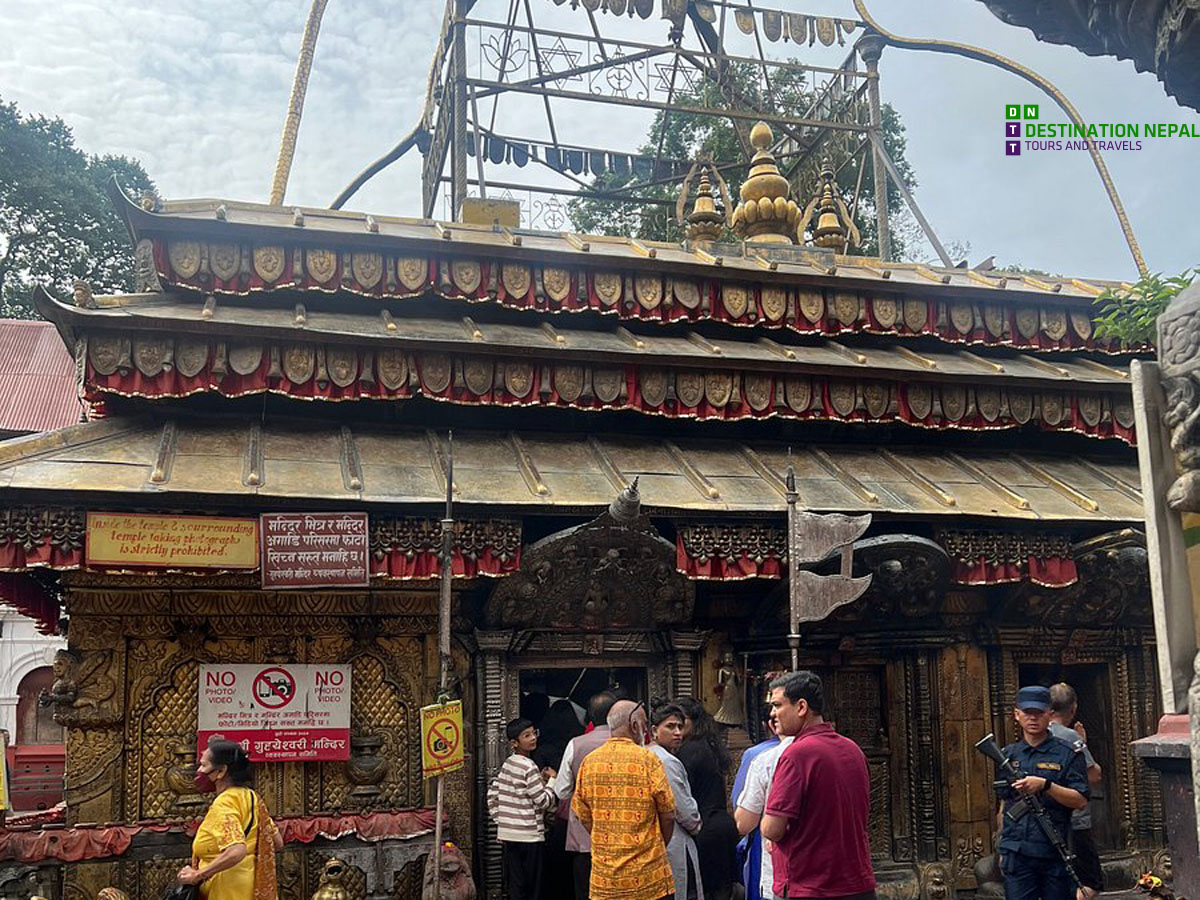
Guhyeshwari Temple Kathmandu – Sacred Shakti Peeth of Nepal
Located on the eastern side of Kathmandu Valley near the holy Bagmati River, Guhyeshwari Temple is one of the most revered Hindu shrines in Nepal. Dedicated to Goddess Shakti in her fierce and divine feminine form, the temple holds immense spiritual, mythological, and Tantric importance.
It is considered one of the most powerful Shakti Peeths in South Asia and is closely associated with the nearby Pashupatinath Temple, making this area one of the holiest pilgrimage zones in Nepal.
Mythology Behind Guhyeshwari Temple
The origin of Guhyeshwari Temple is deeply rooted in Hindu mythology, particularly the story of Goddess Sati and Lord Shiva.
According to legend, Goddess Sati self-immolated after her father Daksha insulted Lord Shiva. Grief-stricken, Shiva carried her body across the universe. To stop his cosmic destruction, Lord Vishnu used his Sudarshan Chakra to cut Sati’s body into pieces. These parts fell in different locations, forming Shakti Peeths.
It is believed that at Guhyeshwari, the sacred parts of Goddess Sati (associated with her feminine energy) fell, making this site a powerful center of divine Shakti worship.
This is why the temple is considered extremely sacred for those seeking spiritual transformation, inner power, and blessings from Goddess Parvati (Shakti).
Meaning of Guhyeshwari
The name “Guhyeshwari” comes from Sanskrit:
Guhya = Secret or hidden
Ishwari = Goddess or divine mother
Together, it means “Goddess of Hidden Mystical Energy.”
This reflects the temple’s deep connection with Tantric traditions and spiritual practices that focus on inner awakening and divine feminine energy.
Religious Importance of Guhyeshwari Temple
Guhyeshwari Temple is not just a place of worship; it is a powerful spiritual center. It is one of the key Shakti Peeths in Nepal, and is especially important in Tantric Hinduism.
Key religious beliefs include:
- It represents the divine feminine energy (Shakti)
- It balances the masculine energy of Lord Shiva at Pashupatinath
- It is a major site for Tantric rituals and meditation
- Devotees believe prayers here bring protection, strength, and fulfillment of wishes
Many pilgrims believe that a visit to Pashupatinath Temple is incomplete without visiting Guhyeshwari Temple, as Shiva and Shakti together represent universal balance.
Unique Architecture of Guhyeshwari Temple
The temple follows traditional Newari architecture, which is common in ancient Kathmandu Valley temples.
Key architectural features:
- Multi-tiered pagoda-style roof
- Intricately carved wooden struts and doors
- Stone base structure near the river area
- Traditional metal and wood craftsmanship
One unique feature is that the temple does not have a traditional idol in the main sanctum. Instead, the goddess is represented in a sacred symbolic form, which reflects its Tantric roots and esoteric worship style.
This makes the temple different from many other Hindu temples in Nepal.
Rituals and Worship Practices
Daily rituals at Guhyeshwari Temple are performed with deep devotion. Priests offer prayers to the goddess using traditional Hindu rituals.
Common offerings include:
- Flowers and garlands
- Incense and oil lamps
- Rice, fruits, and sacred water
- Mantras and Tantric chants
- Devotees often visit the temple to:
- Seek blessings for family well-being
- Overcome personal struggles
- Gain mental peace and spiritual strength
- Fulfill wishes (locally known as mannat)
The atmosphere inside the temple is calm, spiritual, and deeply reflective.
Festivals Celebrated at Guhyeshwari Temple
Several important Hindu festivals are celebrated with great devotion here:
Navratri (Dashain Season)
Navratri is the most significant festival at Guhyeshwari Temple. Thousands of devotees gather to worship Goddess Durga and her forms.
Maha Shivaratri
Since the temple is closely linked with Pashupatinath, Shivaratri also attracts large crowds of devotees who visit both temples.
Teej Festival
Women particularly visit the temple during Teej to pray for marital happiness and family prosperity.
During festivals, the temple becomes vibrant with lights, chants, and religious energy.
Spiritual Importance and Tantric Connection
Guhyeshwari Temple is one of the most important centers for Tantric worship in Nepal.
Tantric practitioners believe the temple is a gateway to hidden spiritual energy and higher consciousness. Unlike regular devotional temples, rituals here are often more symbolic and focused on inner transformation.
This is why many yogis, sadhus, and spiritual seekers visit the temple for meditation and deep spiritual practice.
Location and How to Reach
Guhyeshwari Temple is located in Kathmandu, near the eastern entrance of the Pashupatinath Temple complex, beside the Bagmati River.
Distance:
- Around 1 km from Pashupatinath Temple
- About 15–20 minutes from Thamel
- Around 10 minutes from Tribhuvan International Airport
How to reach:
- Taxi or private vehicle is the easiest option
- Local buses also operate towards Pashupatinath area
- Walking is possible if you are already at Pashupatinath Temple
Best Time to Visit Guhyeshwari Temple
The temple can be visited throughout the year, but the best time is:
- October to March – Pleasant weather and clear surroundings
- During festivals (Navratri, Shivaratri) – for cultural experience
Morning and evening hours are considered most peaceful for darshan and meditation.
Travel Tips for Visitors
- Dress modestly as it is a sacred Hindu temple
- Photography inside may be restricted
- Maintain silence and respect local rituals
- Combine visit with Pashupatinath Temple for a complete spiritual experience
- Avoid peak festival rush if you prefer a quiet visit
Why Visit Guhyeshwari Temple?
Guhyeshwari Temple is not just a religious site, but a place of deep spiritual meaning. Visitors come here for:
- Spiritual energy and peace
- Blessings from Goddess Shakti
- Cultural and historical exploration
- Tantric and yogic significance
- A complete pilgrimage experience in Kathmandu
It remains one of the most powerful yet peaceful spiritual destinations in Nepal.
Conclusion
Guhyeshwari Temple stands as a powerful symbol of divine feminine energy and ancient Hindu tradition. Located near Pashupatinath in Kathmandu, it plays a key role in Nepal’s spiritual landscape.
Whether you are a pilgrim, traveler, or spiritual seeker, a visit to Guhyeshwari Temple offers a deep connection with Nepal’s sacred heritage and timeless energy.