

Blogs
Pashupatinath Temple Nepal: Complete Guide to Special Puja, Abhishek, Cost and Timing
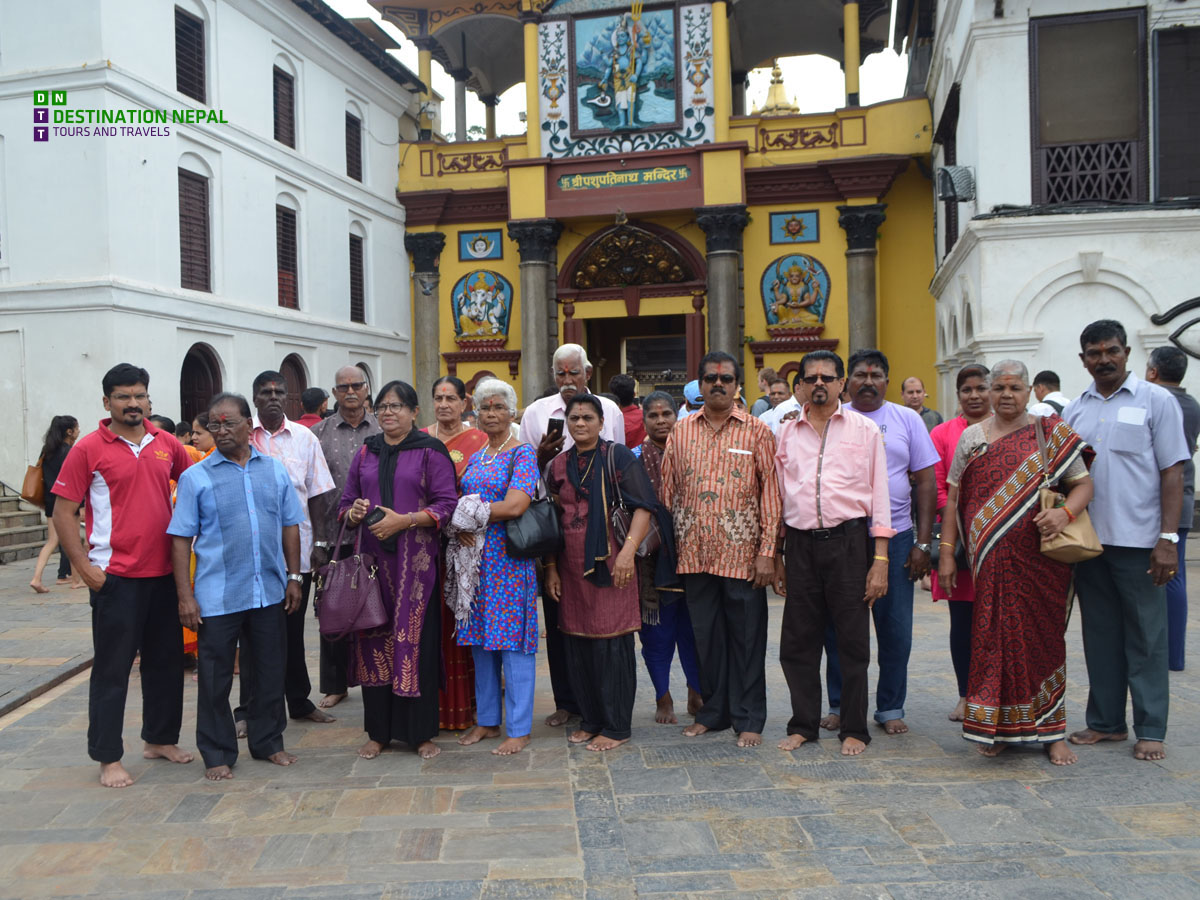
The Pashupatinath Temple Nepal is one of the most sacred Hindu pilgrimage destinations in the world and the most important Lord Shiva Temple in Nepal. Located on the holy banks of the Bagmati River in Kathmandu, this UNESCO World Heritage Site attracts millions of devotees, pilgrims, and tourists every year.
Whether you are planning a Pashupatinath Darshan, participating in a Special Puja (Abhishek), attending the famous Pashupatinath Evening Aarati, or booking a complete Kathmandu Temple Tour, this guide provides detailed information about the temple's history, religious significance, puja costs, timings, booking procedures, and tour packages.
The name Pashupatinath literally means "Lord of All Living Beings." Hindus believe that Lord Shiva resides here in his divine form and blesses devotees with peace, prosperity, good health, and spiritual liberation. For this reason, the temple is considered one of the most important centers for Hindu pilgrimage tours in Nepal.
What is Pashupatinath Temple and Why is it So Significant?
Pashupatinath Temple is dedicated to Lord Shiva in his form as Pashupatinath, meaning "Lord of All Animals." It is unofficially regarded as Nepal’s national deity and holds immense importance for Hindus worldwide. Many devotees believe that Pashupatinath is the head of the sacred 12 Jyotirlingas scattered across India. According to ancient Hindu scriptures, visiting Pashupatinath Temple and having darshan of the Shiv Lingam ensures that one will not be reborn as an animal in the next life.
The temple complex features a unique architectural style with five faces of Shiva:
- Sadyojata (Barun) facing West – representing Earth
- Vamdeva (Uma Maheswara) facing North – representing Water
- Tatpurusha facing East – representing Air
- Aghora facing South – representing Fire/Light
- Ishana facing Zenith – representing Ether/Space
These five faces symbolize Hinduism’s five primary elements and various incarnations of Lord Shiva. The temple’s rich history dates back before 400 B.C., with major reconstructions in the 5th century by Lichhavi King Shupuspa and later in the 17th century. Built in the distinctive Nepalese Pagoda style, Pashupatinath Temple was declared a UNESCO World Heritage Site and remains one of the most important pilgrimage destinations in South Asia.
The temple complex also houses several other shrines, including Vaishnav Temple, Ram Temple, and the famous Guhyeshwari Temple, making it a complete spiritual hub for Pashupatinath Darshan and multi-temple tours in Kathmandu.
Legendary Stories Behind Pashupatinath Temple
Two prominent legends explain the sanctity of this holy site. The first involves the divine cow Kamadhenu, who is said to have taken shelter in a cave on Chandravan Mountain. Every day, Kamadhenu would pour her milk over a spot on the ground. Curious locals eventually dug up the area and discovered the self-manifested Shiv Lingam. Those who touched the Lingam attained instant liberation (moksha).
The second legend tells of Lord Shiva and Goddess Parvati visiting the Kathmandu Valley. Enchanted by the beauty of the Bagmati River, they transformed into deer and roamed the forests. When the gods found Shiva and requested his return to Kailash, Shiva agreed but declared that he would remain in the valley as Pashupatinath, the protector of all living beings. He then manifested as the sacred Lingam on the riverbank. These stories make Special Puja at Pashupatinath even more meaningful for devotees seeking blessings and liberation.
Best Time to Visit Pashupatinath Temple & Puja Timings
The Pashupatinath Temple courtyard remains open daily from 4:00 AM to 7:00 PM. Devotees can have darshan of the main Shiv Lingam during two main windows:
- Morning: 5:00 AM to 12:00 PM
- Evening: 5:00 PM to 7:00 PM
Special Puja (Abhishek) Timings: Every day from 9:30 AM to 11:00 AM. This is the most auspicious period for performing Pashupatinath Abhishek Puja. During this time, all four doors of the main temple are opened, allowing devotees to view all faces of the Shiva Lingam simultaneously — a rare and powerful spiritual opportunity.
Pashupatinath Evening Aarti begins around 5:30 PM to 6:00 PM (half an hour before sunset) on the banks of the Bagmati River. The mesmerizing Aarti accompanied by Shiva’s Tandava Bhajan draws huge crowds and creates an unforgettable divine atmosphere.
Visitor Tips:
- Dress modestly (cover shoulders and knees)
- Remove shoes before entering temple areas
- Photography is restricted in certain zones
- Hire a licensed guide for deeper insights
- Combine your trip with other sacred sites like Boudhanath and Swoyambhunath for a complete Kathmandu Valley spiritual tour.
Types of Special Puja (Abhishek) at Pashupatinath Temple & Latest Cost 2026
The Abhishek Puja involves ritual bathing of the Shiv Lingam with sacred liquids, milk, ghee, honey, and other offerings. Here is the updated price list for Pashupatinath Abhishek Puja cost (effective rates since July 2022, subject to minor changes):
Shree Pashupatinath Temple
| S.N. |
Types of Special Puja (Abhishek) |
Cost in NPR |
Cost in INR |
| 1 | Panchmrit Puja | 2100 | 1313 |
| 2 | Panchmrit Puja with Balbhog | 3100 | 1,938 |
| 3 | Rudrabhishek + Panchmrit Puja with Balbhog | 7500 | 4,688 |
| 4 | Laghurudrabhishek + Panchmrit Puja with Purabhog | 15100 | 9,438 |
| 5 | Panchamrit Puja with Rudrabhishek, Purabhog & 125,000 Deep Arati | 35000 | 21,875 |
| 6 | Panchamrit Puja with Laghurudrabhishek, Purabhog, Hawan & 125,000 Deep Arati | 65000 | 40,625 |
| 7 | Daily Nitya Puja with Purabhog (Participating with Devotees) | 171000 | 1,06,875 |
| 8 | Ekdiwasiya Maharudri | 321000 | 2,00,625 |
| 9 | Ekadas Diwasiya Maharudri | 800,001 | 5,00,001 |
| 10 | Ekadas Diwasiya Atirudri | 25,00,000 | 1,56,250 |
These Pashupatinath Abhishek rituals range from simple Panchmrit offerings to elaborate Maharudri ceremonies lasting multiple days. Many devotees choose Rudrabhishek for its powerful effects on removing negative planetary influences.
Shree Basukinath
| S.N. | Types of Puja | NRS | INR |
|---|---|---|---|
| 1 | Dugdharpan | 1,100 | 688 |
| 2 | Panchamrit Puja | 2,100 | 1,313 |
| 3 | Panchamrit with Balbhog | 3,100 | 1,938 |
| 4 | Panchamrit Puja with Purabhog | 7,500 | 4,688 |
| 5 | Vishnu Sahastranam Stotra path With Panchamrit Bishes Puja | 15,100 | 9,438 |
| 6 | Sharpa Dosh Nibaran with Panchamrit Bishes Puja | 15,100 | 9,438 |
How to Book Special Puja at Pashupatinath Temple
Booking process for Pashupatinath Abhishek is straightforward:
Nepali Citizens: Visit the SBI Bank counter inside the Pashupatinath Temple premises one day before the desired puja date, pay the fee, and collect the voucher.
Indian and Foreign Nationals: For hassle-free advance booking, contact a reliable tour operator via WhatsApp at +977 9851148105. Professional operators handle the entire process, including priest coordination and customized rituals.
Destination Nepal Tours & Travels is one of the leading and most trusted tour operators for Pashupatinath Temple tours and all major temple tours in Nepal.
Why Foreign Tourists Visit Pashupatinath Temple?
Apart from being a major Hindu pilgrimage destination, Pashupatinath Temple Kathmandu is also one of Nepal's most visited cultural attractions. Foreign visitors come to witness the unique pagoda architecture, sacred cremation ghats along the Bagmati River, traditional Hindu rituals, and centuries-old religious heritage.
Benefits of Performing Puja at Pashupatinath Temple
The spiritual advantages of conducting Special Puja at Pashupatinath are immense:
- Relief from stress, fear, ego, and planetary doshas
- Removal of obstacles in career and financial growth
- Healing from chronic illnesses and boosting immunity
- Protection from untimely death and evil influences
- Attainment of peace of mind, spiritual progress, and moksha
- Washing away past sins and ensuring better rebirth
- Blessings for longevity, good health, and prosperity
Many devotees report experiencing deep inner transformation and divine blessings after participating in Pashupatinath Abhishek Puja.
Popular Pashupatinath Tour Packages in Nepal
1. Pashupatinath Darshan Day Trip Private pickup from your Kathmandu hotel, guided darshan and Abhishek Puja at Pashupatinath, followed by drop-off. Perfect for short visits.
2. Pashupatinath and Temples Tour (2 Nights / 3 Days)
Day 1: Arrival and hotel transfer
Day 2: Pashupatinath Abhishek Puja + Boudhanath Stupa + Budhanilkantha (Sleeping Vishnu)
Day 3: Departure
3. Pashupatinath and Temples Tour (3 Nights / 4 Days) Includes all attractions from the 3-day package plus Kailashnath Mahadev Statue, Doleshwor Mahadev (head of Kedarnath), and Bhaktapur Durbar Square.
4. Pashupatinath and Temples Tour (4 Nights / 5 Days) The most comprehensive package covering Chandragiri Hills, Swoyambhunath (Monkey Temple), Harati Mata Temple, and all major heritage sites.
All packages include comfortable hotels, experienced guides, private transportation, and assistance with Pashupatinath Special Puja bookings.
Other Must-Visit Destinations in Nepal
While planning your Pashupatinath tour, consider extending your journey to:
- Nagarkot: Himalayan sunrise views and hiking trails
- Pokhara: Lakes, adventure sports, and gateway to Annapurna treks
- Chitwan National Park: Wildlife safaris and Tharu culture
- Lumbini: Birthplace of Lord Buddha and serene monasteries
For those interested in the sacred Mount Kailash Mansarovar Lake Tour, our expert team provides complete itinerary planning and cost details.
Special Puja at Pashupatinath Temple offers one of the most powerful spiritual experiences in the Hindu world. Whether you seek simple darshan or elaborate Abhishek rituals, this holy site promises divine blessings, peace, and transformation.
Ready to book your Pashupatinath Abhishek Puja and temple tour? Contact Destination Nepal Tours & Travels today for personalized packages, expert guidance, and seamless spiritual journeys in Nepal.
📞 WhatsApp: +977 9851148105
📧 Email: info@dntt.com.np
🏔️ Company: Destination Nepal Tours and Travels