

Blogs
Best Time to Visit Nepal (Updated Guide 2026/27)
Why “Best Time to visit Nepal” in Nepal Is Changing
For years, travel guides recommended spring (March–May) and autumn (September–November) as the Best time to visit Nepal. These months offered pleasant weather, crystal-clear mountain views, and ideal trekking conditions.
But the world’s climate is changing, and Nepal is no exception. Global warming has caused unpredictable shifts in rainfall and temperature patterns. The old seasonal calendar no longer fits perfectly with what travelers actually experience on the ground.
In the past two years, monsoon rains have extended longer than expected—sometimes lasting until early or even mid-October. Similarly, winters have become milder, and spring is now warmer and occasionally hazier. These changes mean travelers and tour operators must think differently about when to plan their Nepal trips.
Understanding Nepal’s Climate Patterns
Nepal’s weather varies dramatically from north to south:
- The Terai (southern plains) is hot and humid most of the year.
- The Mid-Hills (Kathmandu, Pokhara) enjoy a moderate climate.
- The Himalayas experience cold winters and short, dry summers.
Normally, Nepal has four distinct seasons:
- Spring (March–May) – warm and colorful, rhododendrons bloom.
- Summer/Monsoon (June–September) – heavy rain and high humidity.
- Autumn (October–November) – clear skies and comfortable temperatures.
- Winter (December–February) – dry and cold, especially in the north.
Now, these boundaries are shifting. Rains often continue well into October, and warm temperatures extend longer into December. As a result, the best time to visit has gradually moved later in the year.
Best Season to Visit Nepal (Month by Month Overview)
|
Month |
Weather highlights |
Travel recommendation |
|---|---|---|
|
January–February |
Cool and generally dry, with cold mornings and clear days |
Good for city tours, cultural sightseeing and wildlife safaris |
|
March |
Warmer temperatures, occasional haze and spring flowers |
Good for trekking and sightseeing |
|
April–May |
Warm weather, with occasional pre-monsoon showers |
Excellent for trekking, cultural tours and photography |
|
June–August |
Monsoon rainfall, humidity and occasional travel disruptions |
Suitable for flexible trips, city sightseeing and selected destinations |
|
September–Early October |
Rainfall may continue, with occasional flooding, landslides and road disruptions |
Travel is possible, but allow flexibility, especially for long road journeys |
|
Mid-October–December |
Generally drier weather, comfortable temperatures and better visibility |
Excellent for trekking, sightseeing and cultural holidays |
Ideal Months for Trekking and City Tours
October to December — The New Peak Season
Based on recent patterns, the best time to visit Nepal is now mid-October to late December. Monsoon rains typically end after the first or second week of October, leaving behind clean air and lush green landscapes.
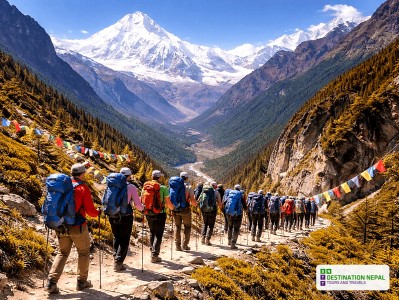
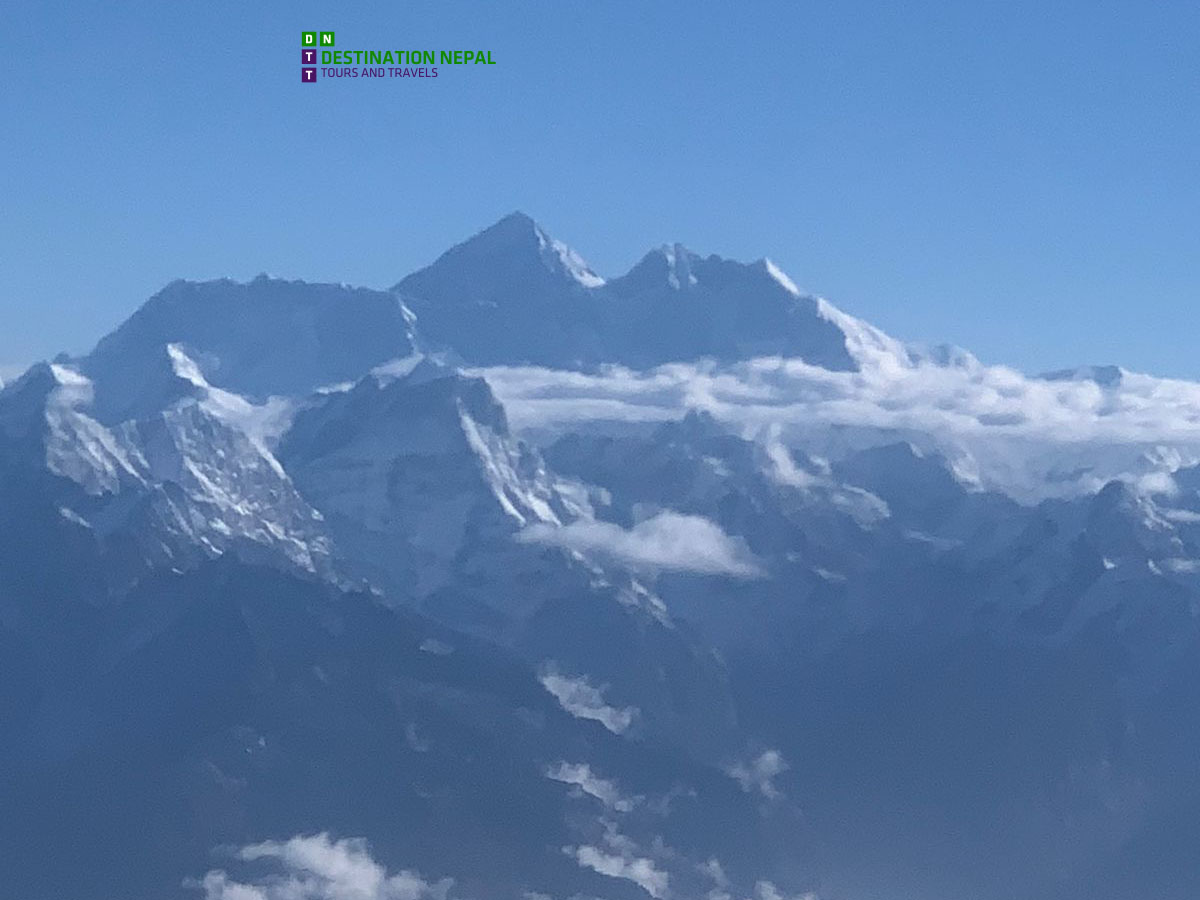
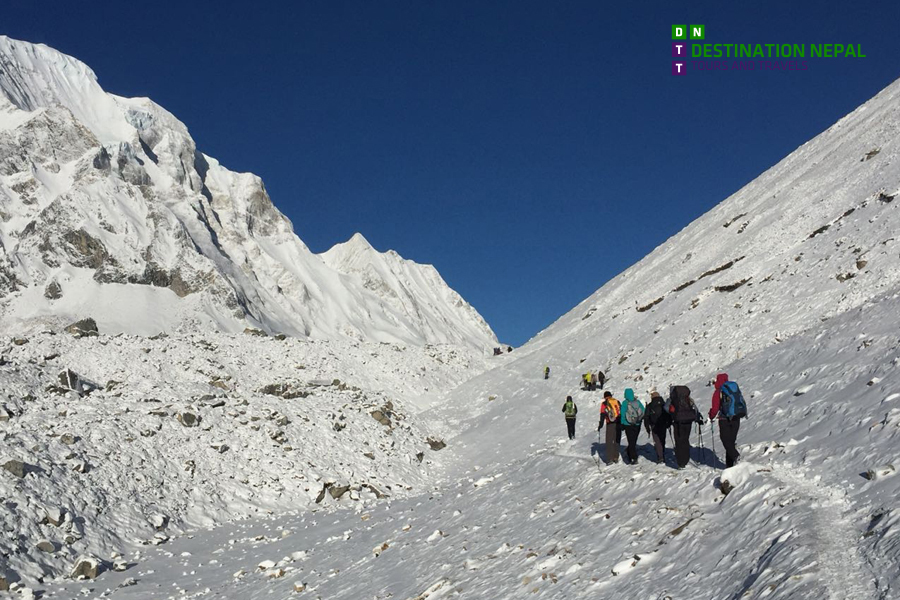
From October 15 onward, skies are usually clear, perfect for trekking in Everest, Annapurna, and Langtang regions.
Temperatures are moderate—warm during the day and cool at night—and roads are mostly open.
April to June — Beautiful Late Spring Window
As climate patterns shift, April–June is emerging as another excellent time for travel. Early April still brings clear skies and pleasant temperatures. Rhododendrons are in full bloom in the mid-hills, adding color to treks in Langtang, Annapurna, and Ghorepani.
Late May and June are warmer, especially in the Terai, but still manageable before the heavy monsoon begins. Visibility can decrease slightly due to haze, but mornings remain clear in many regions.
Winter Season (January to March) — Perfect for City and Lowland Travel
While high mountain treks may be limited due to snow, winter is excellent for city tours and travel across Nepal’s lowlands. The air is dry and clean, and it rarely rains. Roads stay open, making it easy to travel between cities.
Kathmandu, Pokhara, Lumbini, Chitwan, and Bardiya are ideal winter destinations. The Terai region, which can be extremely hot in other seasons, becomes pleasantly cool during this time.
Travelling in Nepal During the Monsoon Season
The monsoon season, generally from June to September, brings heavy rainfall to many parts of Nepal. In recent years, rainfall has sometimes continued into early October, creating occasional challenges for travel.
Heavy rain can cause landslides, flooding, road blockages and delays to domestic flights, particularly in hilly and mountainous regions. Long-distance road journeys may require additional time or alternative arrangements.
However, this does not mean that travelling throughout Nepal is impossible during the monsoon. Kathmandu Valley destinations, including Kathmandu, Patan, Bhaktapur and Kirtipur, can still be explored. Visitors can enjoy cultural heritage sites, temples, museums, local food and city experiences throughout the year, although occasional rain may affect outdoor activities.
Travellers visiting during this period should:
- Keep some flexibility in their travel schedule, particularly for long-distance journeys.
- Check the latest weather forecasts and road conditions before departure.
- Carry suitable rain protection and waterproof bags.
- Consider alternative routes or transport arrangements if necessary.
- Choose destinations according to current weather and local travel conditions.
The monsoon also brings green landscapes, flowing rivers and a different perspective of Nepal. With suitable planning and local guidance, visitors can still enjoy a rewarding holiday.
Before travelling during the monsoon season, visitors should check the latest official weather forecasts and weather warnings issued by Nepal's Department of Hydrology and Meteorology.
Regional Guide: Best Time by Destination
Kathmandu Valley & Pokhara (Mid-Hills)
Best weather: October–December and February–April, when conditions are generally favourable for sightseeing and outdoor activities.
During the monsoon: June–September can bring rainfall, cloudy skies and occasional wet conditions. However, cultural sightseeing and city tours remain possible throughout the year.
Travel advice: For long-distance road journeys, check weather and road conditions, particularly during September and early October.
Everest & Annapurna Region (Mountains)
- Best: Mid-October–December and April–May
- Avoid: January–March (snow), June–September (rain)
Terai Lowlands (Chitwan, Lumbini, Bardiya)
- Best: November–February
- Avoid: June–August due to extreme heat and humidity
Upper Mustang & Dolpo
- Best: April–June and September–November (dry even during monsoon)
How Climate Change Is Affecting Nepal Tourism
Climate change has become one of the biggest challenges for Nepal’s tourism industry. According to reports from the Department of Hydrology and Meteorology, average temperatures in the Himalayan region are rising faster than the global average.
Effects include:
- Unpredictable rainfall: Monsoons starting later and ending later.
- Glacier melting: Affecting mountain routes and water flow.
- Changing trekking conditions: More frequent landslides and trail erosion.
- Shorter weather windows: Good visibility and stable weather now last fewer weeks.
For travel operators and visitors, flexibility and real-time weather updates are becoming essential.
Festivals and Cultural Events by Season
Cultural festivals also influence the best time to visit Nepal:
- September/October: Dashain — the biggest Hindu festival, celebrated nationwide.
- October/November: Tihar (Festival of Lights) — colorful and family-oriented.
- April/May: Buddha Jayanti — celebrates the birth of Lord Buddha.
- February/March: Holi — the festival of colors, lively and joyful.
Traveling during festival time adds a cultural layer to your trip, allowing you to witness local traditions, rituals, and celebrations.
Practical Travel Tips for Nepal’s New Weather Trends
- Stay flexible: Add buffer days for weather delays, especially during shoulder seasons.
- Check forecasts: Use reliable weather apps for mountain regions.
- Pack smart: Include layers, rain gear, and sun protection regardless of season.
- Get insurance: Covering flight cancellations or trekking delays.
- Choose local operators: They understand ground realities better and can quickly adjust itineraries.
Conclusion: Nepal Is Beautiful All Year, But Timing Matters
Nepal welcomes visitors in every season, but choosing the right time can make your journey smoother and more memorable.
Based on seasonal weather patterns and recent travel experience:
- Best overall season: Mid-October to December, especially for trekking, mountain views and general sightseeing.
- Another excellent period: March to May, particularly for spring landscapes, trekking and cultural tours.
- Good for city tours: January to February, with generally dry weather and comfortable daytime conditions.
- Monsoon season: June to September, sometimes extending into early October. Travel remains possible, especially for city sightseeing and cultural experiences, but flexibility is recommended for long-distance road journeys and mountain travel.
Nepal is a year-round destination. The best time to visit depends on the places you want to explore, the activities you have planned and the weather conditions in that particular year.
For additional travel information and destination updates, visitors can also refer to the Nepal Tourism Board, Nepal's national tourism organisation.